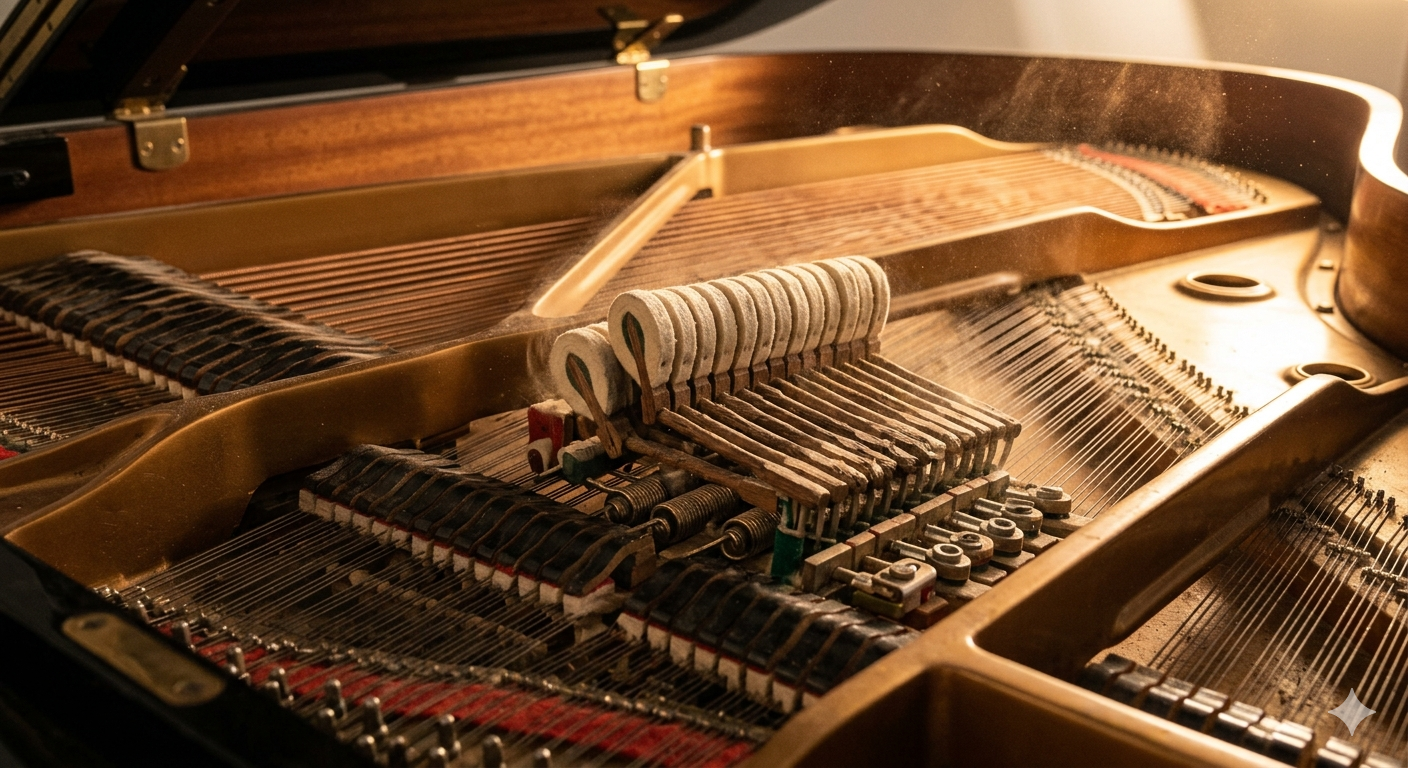
Latest posts
-
The Poet of Duality: Why the Music of Robert Schumann is Romanticism’s Most Fascinating Labyrinth
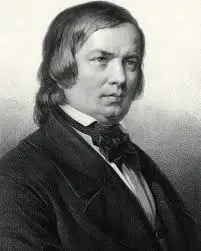
If Frédéric Chopin represented aristocratic elegance and Franz Liszt was the hurricane of the concert stage, Robert Schumann was the philosopher of the mind’s deepest mysteries. No other composer embodied the spirit of Romanticism with such raw intensity, beauty, and, ultimately, danger. Schumann did not merely write music to be casually appreciated; he utilized the…
-
Miniature Genius: Why the Romantic Three-Minute Classics Conquered the World
Long before the music industry invented the 45-rpm vinyl record, the radio single, or late-night streaming playlists, the geniuses of the nineteenth century had already unlocked the secret to trapping the infinite inside just a few minutes of sound. While massive symphonies functioned like widescreen cinematic epics, it was the short Romantic pieces—character miniatures, chamber…
-
The Travelogue of the Soul: Why Liszt’s Years of Pilgrimage is the Most Beautiful Journey of the 19th Century
If you only know Franz Liszt as the rock-star virtuoso of the concert stage—the showman who notoriously broke piano strings with his pyrotechnic technique—get ready to meet his deepest, most fascinating, and mature side. The Années de pèlerinage (Years of Pilgrimage) are not just a collection of piano pieces; they are the ultimate musical travelogue.…
-
The Dance of Autumn and Destiny: Why Brahms’s Fourth is the Greatest Tragedy Ever Written for Orchestra
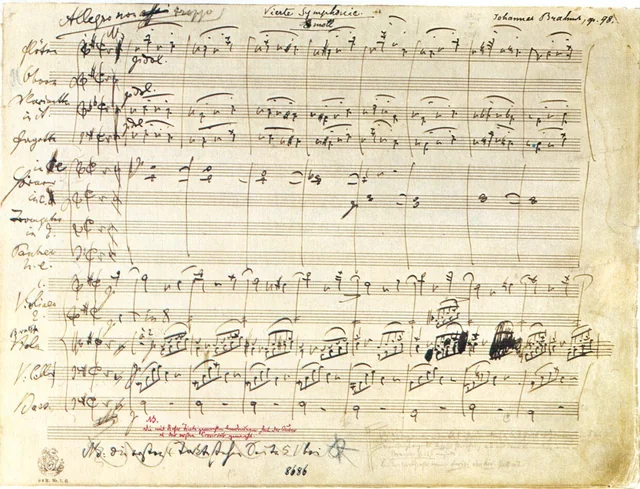
If Johannes Brahms’s Third Symphony was a warm, nostalgic sunset, his Symphony No. 4 in E minor, Op. 98 is the inevitable arrival of winter. It is autumn in its most mature, imposing, and ultimately devastating form. Written as the composer entered his fifties—looking back and contemplating the sheer weight of time—this piece is not…
-
Schubert’s Everest: Why the Wanderer Fantasy is a Keyboard Earthquake

Anyone who knows Franz Schubert from the gentle, bittersweet melodies that floated through Vienna’s late-night salons tends to associate him with pure delicacy—that tender melancholy of a fading autumn afternoon. But there is a massive anomaly in his catalog that rips up that polite script and throws the listener straight into the eye of a…
-
The Screenplay of Desire: Why Chopin’s Ballade No. 1 is the Most Beautiful Movie You’ll Ever Hear
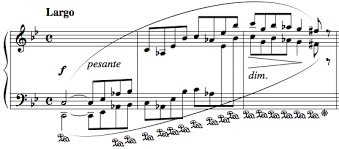
If Frédéric Chopin’s Nocturnes are the perfect soundtrack for secrets whispered in the dead of night, his Ballade No. 1 in G minor, Op. 23 is a full-length feature film of mystery, passion, and condensed drama packed into just over nine minutes. Forget any outdated notion that nineteenth-century piano music is polite or well-behaved. What…