Latest posts
-
From Bohemia to Brooklyn: Dvořák’s Visionary Genius and the Prophecy That Moved a Continent’s Heart
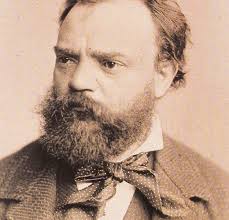
There are composers who write music for palaces, and there are others who write music for eternity. Antonín Dvořák belonged to an even rarer lineage: he wrote music with his feet firmly planted in the rich black soil and his heart tuned directly to the pulse of the common people. The Czech master was the…
-
Sound in Widescreen: The Hallucinatory Genius of Hector Berlioz, Music’s First Film Director
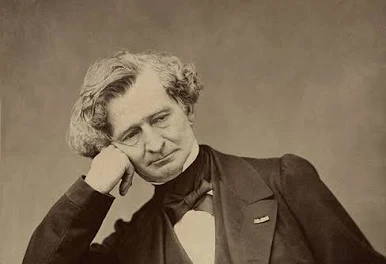
If the nineteenth century were scouting for a top-tier Hollywood screenwriter or a master of psychological suspense, it wouldn’t have to look very far. One only needed to turn toward France to find Hector Berlioz. While most composers of the era approached music through the architecture of the piano or traditional formal designs, Berlioz envisioned…
-
The Soundtrack to Our Memories: How Suppé’s “Poet and Peasant” Overture Conquered both Screen and Heart
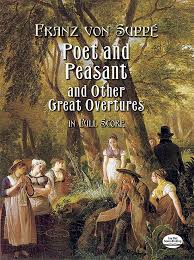
If you reach back into your mind for the finest memories of Saturday mornings from your childhood, watching classic cartoons like Woody Woodpecker, Mickey Mouse, or Tom and Jerry, then you already know this music intimately. The overture to the operetta Poet and Peasant (Dichter und Bauer), composed by the Austro-Hungarian maestro Franz von Suppé…
-
The Everest of the Piano: Why Rachmaninoff’s Third Concerto is Music’s Most Beautiful and Dangerous Challenge

If you think you’ve witnessed the outer limits of virtuosity and raw intensity in rock or jazz, brace yourself to face the absolute borderline of human capability. The Piano Concerto No. 3 in D minor, Op. 30, composed by the Russian titan Sergei Rachmaninoff in 1909, is far more than a classical masterpiece. In the…
-
The Perfect Chemistry of Sentiment: How Schubert Tied Lyricism to Romanticism and Changed Our Hearts Forever
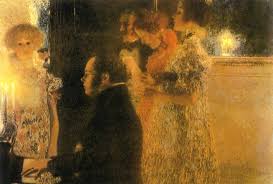
On one side, we have a word that seems to float mid-air: Lyricism. It carries no expiration date, no badge, and no passport. Lyricism is an eternal aesthetic category—that almost physical human need to pour out one’s subjectivity, to sing of one’s grief, to translate one’s love, and to expose the innermost layers of the…
-
The Roar of a Titan: Why Tchaikovsky’s First Piano Concerto is an Explosion of Pure Emotion
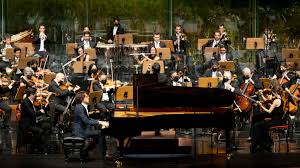
The Piano Concerto No. 1 in B-flat minor, Op. 23, composed by Pyotr Ilyich Tchaikovsky between 1874 and 1875, is one of those monumental masterworks that requires absolutely no formal introduction. It permanently resides within the global collective imagination, proudly holding the title of one of the most widely popular, frequently recorded, and heavily performed…