
Latest posts
-
Chopin: The Iron Piano and the Tactile Density of Emotion
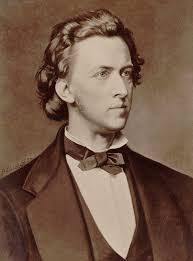
If the global history of classical music possesses an architect who took the piano and mutated it into a weapon of absolute dynamic definition, that name is Frédéric Chopin. The Polish master based in Paris frequently suffers from the reductive cliché of being a composer of fragile salon sighs. In reality, Chopin operated at an…
-
Beethoven: The Fifth Symphony and the Density of Absolute Sound
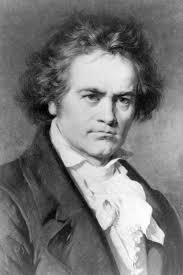
If the global history of classical music possesses a definitive watershed that took classical formalism and fused it with an overwhelming physical voltage, that landmark is Ludwig van Beethoven. Writing at the dawn of the 19th century, the titan of Bonn did not create music to adorn aristocratic parlors; he operated as a relentless sound…
-
The 19th Century and the Romantic Revolution: The Engineering of Excess and the Sonic Absolute
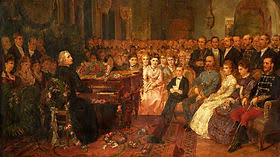
If the history of human culture had to point to the exact moment when music ceased to be a polite courtly ornament or an exercise in classical symmetry and mutated into a tectonic force of pure physical impact and existential vertigo, that moment was the 19th Century. Musical Romanticism was not born to soothe or…
-
Johannes Brahms: The Engineering of Absolute Romanticism and the Density of German Sound
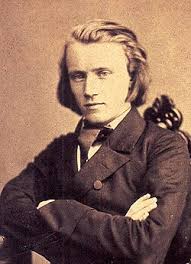
If the history of nineteenth-century Romanticism had to point to a single, surgical master who refused to dissolve music into vague sentimentalism or empty pyrotechnics, that name would be Johannes Brahms. While his contemporaries expanded orchestras to their absolute limits and chased literary programs, Brahms did the exact opposite: he took the most rigid classical…
-
Elgar’s Pomp and Circumstance: The Engineering of Nobility and the Tectonic Impact of British Sound
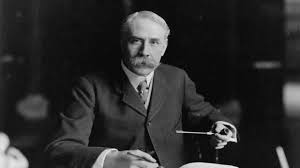
If the history of Western music boasts a definitive monument that took the militaristic pulse of the march and elevated it to the status of colossal symphonic architecture, that landmark is Sir Edward Elgar’s Pomp and Circumstance March No. 1 in D Major, Op. 39. Written in 1901 at the absolute zenith of the Edwardian…
-
César Franck: Cyclic Form and the Density of Symphonic Sound
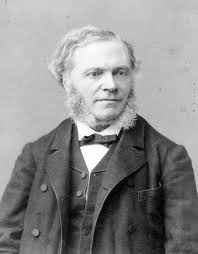
If the history of nineteenth-century music preserved a silent master who took the classical tradition and stretched it to the absolute limits of an overwhelming physical and spiritual density, that architect was César Franck. Hidden behind the massive stone walls of the Basilica of Sainte-Clotilde in Paris, the Belgian-born French composer did not write music…