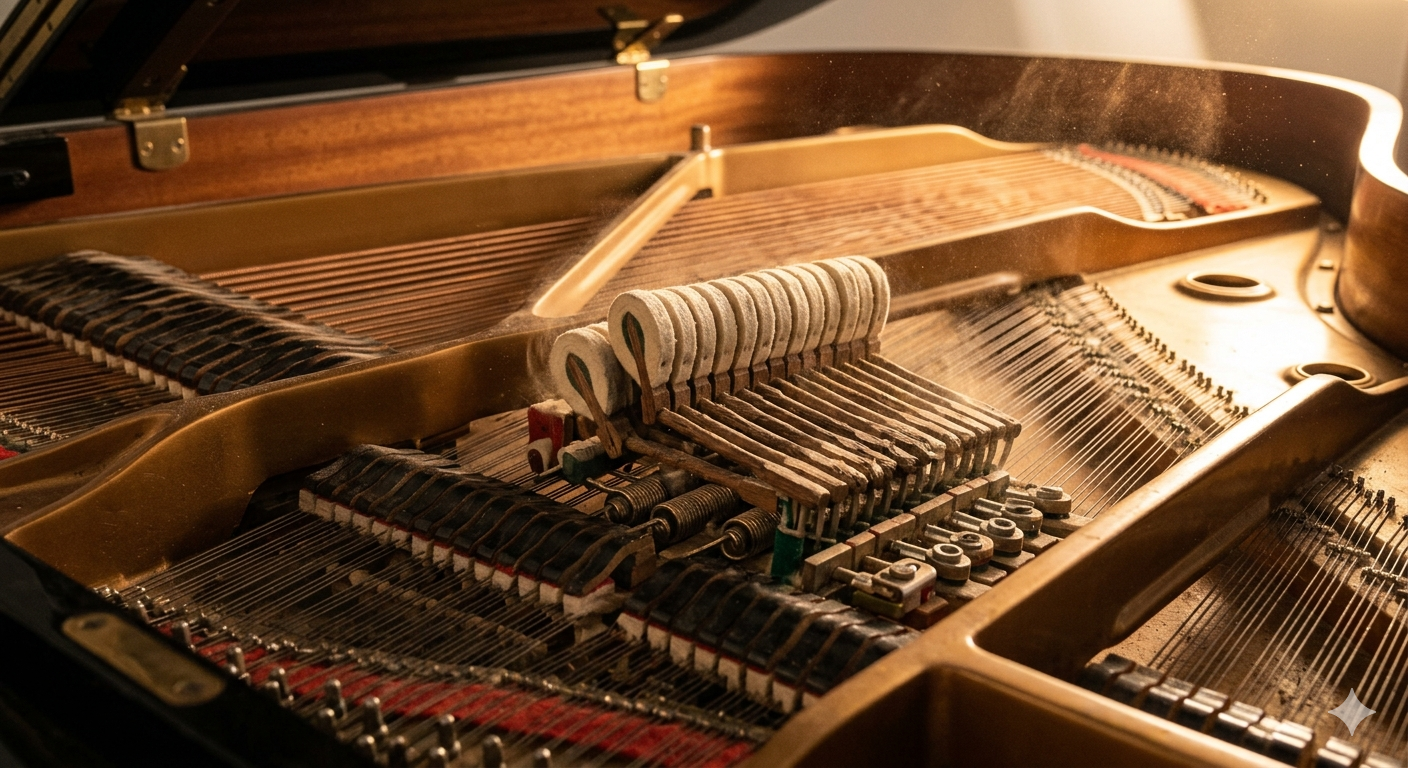
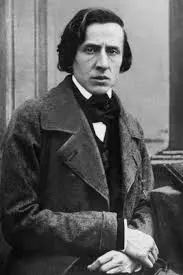
If Ludwig van Beethoven was the roaring thunderstorm of the 19th century, Frédéric Chopin was the soft, mesmerizing glow of moonlight on a calm sea. While other composers of his time were busy trying to conquer massive concert halls with giant orchestras, this fragile young man from Poland chose a completely different path. He didn’t need an army of violins to shake your soul. All he needed was eighty-eight keys, a candlelit room, and an open heart.
Chopin is, without a doubt, the undisputed king of musical intimacy. To put it in perspective for the modern music lover, he was essentially the Tom Jobim of the Romantic era—a master of elegance, understatement, and that beautiful, bittersweet ache we call saudade.
Paris, Passion, and the Art of the Whisper
Picture Paris in the 1830s. The city is pulsing with art, revolution, and glamour. But you wouldn’t find Chopin playing in front of thousands of screaming fans like his best friend and rival, Franz Liszt. Chopin was terrified of large crowds. His natural habitat was the aristocratic salon—intimate, sophisticated gatherings where the intellectual elite drank wine, debated poetry, and listened to him play by heart.
Living with a fragile body and fighting a lifelong battle with tuberculosis, Chopin lived with a constant sense of urgency. He knew his time was short, so he didn’t waste a single note. Instead of writing long, heavy symphonies, he perfected the musical miniature. He took the Nocturne—a genre designed to capture the mood of the night—and turned it into a canvas for our deepest secrets. When you listen to his Nocturne in E-flat major, Op. 9, No. 2, it doesn’t feel like a performance. It feels like a late-night confession whispered straight into your ear.
The Crown Jewel: The Melancholy with a Pop Hook
If you think classical piano is all about rigid structures and intellectual exercise, Chopin’s Prelude in E minor, Op. 28, No. 4 will instantly change your mind. It is a masterclass in emotional economy. The left hand plays a series of slow, descending chords that feel like tears falling, while the right hand sings a melody so simple, so painfully beautiful, that it transcends time.
It is a melody so universally irresistible that pop giants and rock legends have been borrowing it for decades (you can hear its DNA in everything from Radiohead to classic jazz standards). It is music that requires absolutely no instruction manual; it connects directly with your nervous system. It is elegant, cinematic, and profoundly moving.
The Invitation
Chopin left us at the tragically young age of 39, but he left behind a universe of elegance. He proved that true power doesn’t come from playing the loudest, but from knowing how to make silence speak.
So, here is our invitation for tonight: wait for the sun to go down, pour yourself a glass of wine, turn off the main lights, and let the velvet night take over. Put on Chopin’s Nocturnes, close your eyes, and let yourself float away to a Paris that only exists in our most luminous dreams.