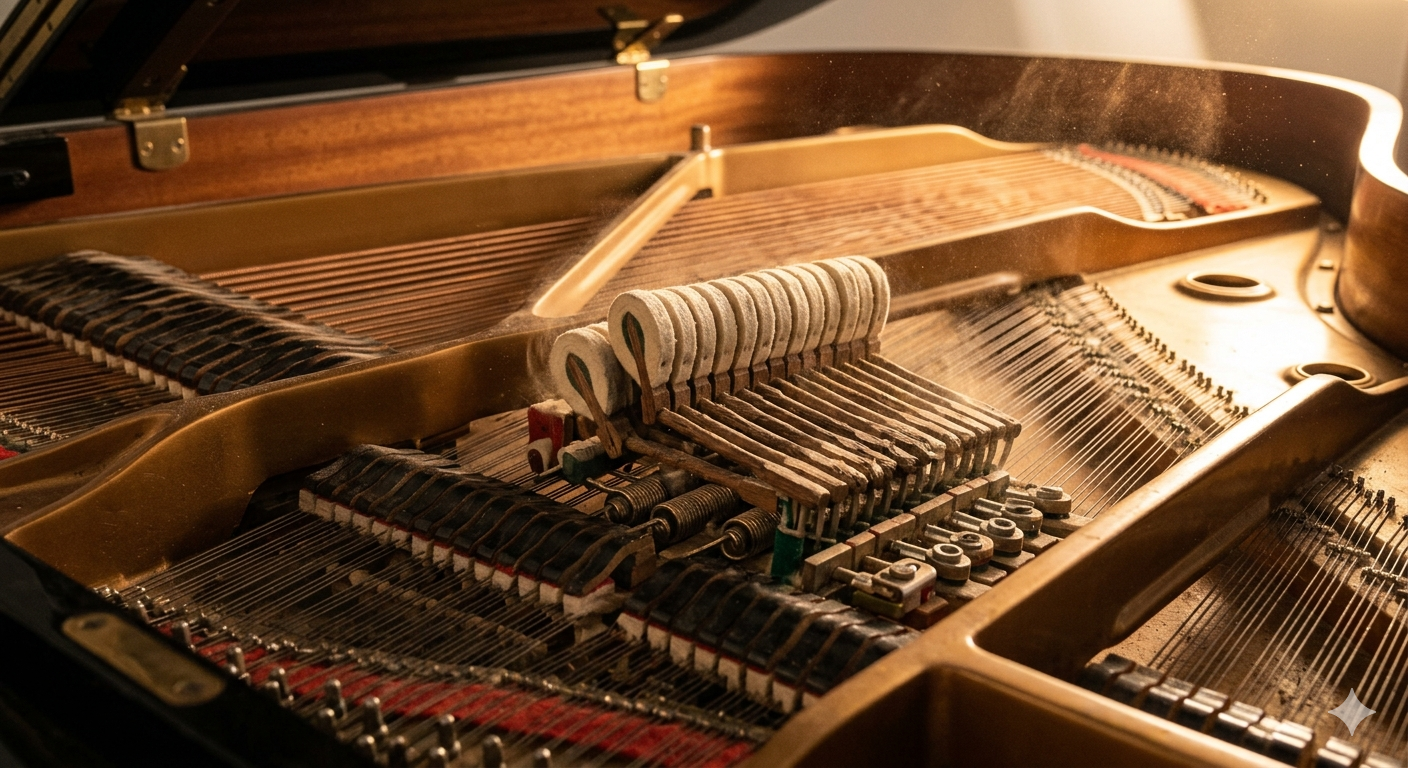
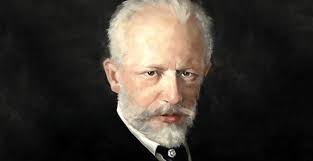
If the history of chamber music preserved a definitive monument where the raw pain of loss and existential despair cease to be abstract concepts and mutate into a physical, slicing, and suffocating reality, that landmark is Pyotr Ilyich Tchaikovsky’s String Quartet No. 3 in E-flat Minor, Op. 30. Written in 1876 under the brutal shock of the sudden death of his close friend, the virtuoso violinist Ferdinand Laub, the Russian master refused to build a polished, academic funeral memorial. Instead, he did the exact opposite: he deployed the exceedingly rare, ink-black key of E-flat Minor to completely slice open the veins of the score. The result is a high-definition technical knockout, where the fragile limitations of four instruments of wood and horsehair gain a crushing muscular density and electrical voltage capable of filling the acoustic space with the raw force of an entire orchestra.
To listen to this masterpiece today with a high-definition pair of headphones is an experience in pure cinematic suspense. Tchaikovsky completely strips his writing of any superficial ornament to deliver an astonishing tactile rawness, where every single heavy bow stroke carries the crushing weight of a violent farewell.
The Labyrinth of Tension and the Mastery of Silence
To casually dismiss Tchaikovsky as merely the composer of the sweet, fluid melodies of Swan Lake is to completely ignore the obsessive architect behind his grandest structures. In the Third Quartet, he manipulates the listener’s psyche with terrifyingly surgical precision. The writing is lean, tense, and endowed with an agile musculature that bites into the mid and high frequencies with astonishing aggressiveness.
The true genius of the work resides within its dramatic contrasts. Tchaikovsky does not offer cheap, sentimental weeping; he constructs a labyrinth of tension that corners the listener against the wall. The themes drive forward in dense, almost rustic blocks of chords, violently interrupted by sudden pauses and silences pregnant with meaning. This is the absolute manipulation of time and expectation: classical elegance is maintained under a psychological voltage so incredibly high that the entire structure feels as if it will fracture into a thousand pieces at any second.
The Crown Jewel: The Muted Mourning of the Andante Funebre
If you want to experience the authentic tactile rawness and dynamic impact of this quartet without an instruction manual, your mandatory and definitive turning point resides within the monumental Third Movement (Andante funebre e doloroso, ma con moto).
This jaw-dropping movement stands as a masterclass in sonic engineering applied to chamber music. Tchaikovsky demands that all four musicians fit mutes onto their instruments. The sound that emerges is not merely muffled; it gains a velvety, ghost-like, and frighteningly physical texture. You can distinctly hear the physical rasp of rosin biting the strings and the attack of fingers against the fingerboards, sketching a solemn, Russian Orthodox funeral march.
The melody crawls forward in a whispered, claustrophobic pianissimo that breaks the heart. Then, without a shred of warning, the first violin fires off an ascending line that explodes into a desperate, agonizing shriek of pure grief, backed by the dry, percussive chords of the cello and viola. There is no melodrama here; there is only the raw, physical reality of matter. As the movement drags itself toward a close, the sound collapses into a static, broken murmur, leaving the listener completely breathless in the absolute silence of the studio.
The Invitation
Pyotr Ilyich Tchaikovsky demonstrates to us in his third quartet that true tragedy requires no grand choral masses or orchestral thunderbolts to impose its absolute authority. He proved that four string instruments, when pushed by genius and real, unvarnished pain, are entirely capable of redrawing the architecture of silence.
So, here is our invitation for your ritual tonight: isolate yourself entirely from the noisy static and frantic rush of the world, slip on your finest pair of headphones, and press play on this monument of sonic haunting. Seek out interpretations that fundamentally master the heavy voltage and sharp brio of this score—such as the historic, legendary recordings by the Borodin Quartet or the modern, tactile rigor and raw edge delivered by the Emerson String Quartet. Close your eyes, absorb the weight of this emotional engineering, and let Tchaikovsky’s strings entirely organize the chaos of your day.