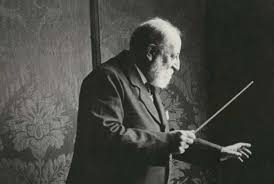
If music history were scouting for a complete, ultimate prodigy—a man capable of mastering the science of sound, astronomy, philosophy, and archaeology all before breakfast—that man would undeniably be Camille Saint-Saëns. The French master possessed one of the most brilliant and versatile minds of the nineteenth century. While many of his contemporaries were drowning in the dense, heavy drama of late Romanticism, Saint-Saëns consciously chose a different path: he championed clarity, balance, and impeccable elegance. Yet, make no mistake—his relentless pursuit of formal perfection never stifled his imagination; instead, it transformed his music into an intensely visual, tátil experience radiating with solar electricity.
To listen to Saint-Saëns today is to enter a universe where highly refined technique merges seamlessly with the pure joy of storytelling. He knew, like few others, how to paint entire canvases in midair using nothing but orchestral timbres, creating textures that range from the lightness of a single feather to the staggering impact of an acoustic knockout.
The Master of Colors and the Hidden Carnival
Saint-Saëns maintained absolute command over the orchestra’s color palette. He could make the piano mirror the texture of crystal-clear water and command the brass to roar with an imposing, majestic solemnity. Curiously, one of his most globally recognized works in pop culture today is a piece he wrote as a private joke and strictly refused to publish during his lifetime, fearing it would ruin his hard-earned reputation as a serious composer: The Carnival of the Animals.
Within this zoological, satirical suite, Saint-Saëns’s visual imagination operates in vivid high definition. The jaw-dropping moment arrives during the movement titled “Aquarium,” where the pianos and the celesta trace the tátil, floating movement of fish through water so perfectly that you can practically see the shimmering reflections of light. And, of course, there is “The Swan,” a cello solo of such aching, noble, and lyrical beauty that it became the absolute synonym for elegance in the history of both dance and classical music.
The Crown Jewel: The Monumental Impact of the Organ Symphony
However, if you want to experience the unadulterated voltage and raw architectural power of Saint-Saëns’s genius without needing an instruction manual, your mandatory destination is his Symphony No. 3 in C minor, Op. 78, universally known as the Organ Symphony, composed in 1886.
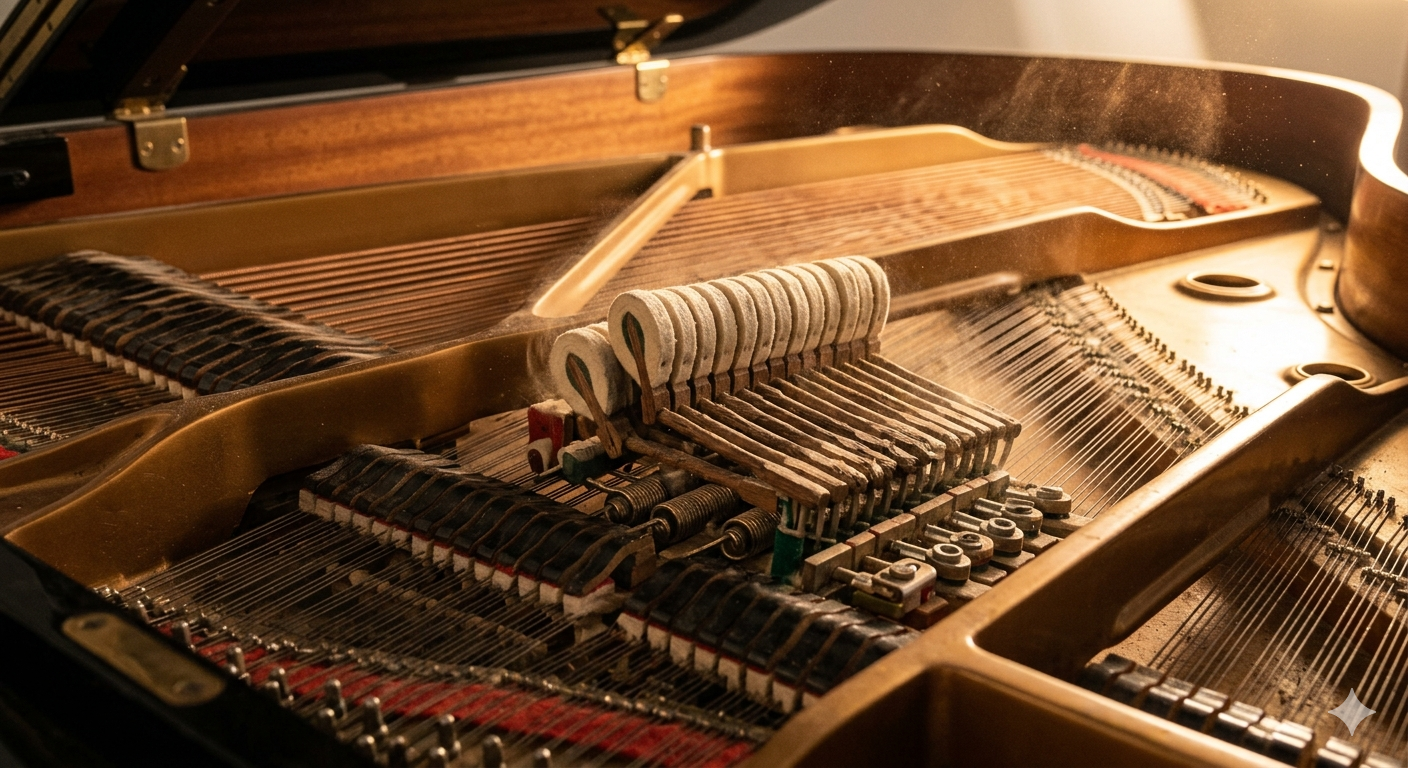
Dedicated to the memory of his close friend Franz Liszt, this work is a monumental sonic structure. Saint-Saëns took the traditional classical orchestra and injected it with the colossal, staggering power of a pipe organ and the bright, rhythmic drive of a piano played four-hands.
The definitive technical knockout strikes in the second movement (Maestoso). Following a tense, restlessly moving orchestral introduction, the music falls dead silent for a fleeting second. What follows is one of the most epic entries in music history: the pipe organ enters with a massive, heavy, and majestic C-major chord, literally causing the concert hall floor to vibrate beneath your feet. The entire orchestra explodes into a solar, victorious energy, with the pianos weaving glittering scales in the background while the brass belts out a grand, soaring theme. This is structural virtuosity placed entirely at the service of pure ecstasy—a cinematic construction that drives the listener’s adrenaline straight through the roof.
The Invitation
Saint-Saëns demonstrated to the world that music can be exceptionally intelligent, structured, and precise without ever losing its charm, its lightness, or its capacity to leave an audience in complete wonder. He was a master artisan of sound, sculpting every single note with the clarity of fine French crystal.
So, here is our invitation for your ritual tonight: set aside a moment to pause, dim the distracting lights around you, and slip on your absolute finest pair of headphones. Press play on the Organ Symphony—seek out readings that beautifully capture both the transparent French textures and the monumental scale of the work, such as the legendary recordings of Charles Munch conducting the Boston Symphony Orchestra, the electrifying energy of Eugene Ormandy with the Philadelphia Orchestra, or the razor-sharp precision of Herbert von Karajan. Close your eyes, open your mind, and feel the massive impact of this acoustic monument. Let that solar energy drive your day.