
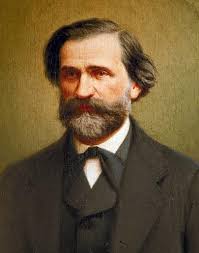
If the global history of classical music possesses an architect who took 19th-century lyric drama and fused it with a massive wall of sound of colossal proportions and devastating physical impact, that name is Giuseppe Verdi. The Italian master frequently suffers from the reductive cliché of being merely a composer of easy melodies and patriotic anthems for traditional operas. In reality, Verdi operated at an unforgiving technical and dynamic voltage. He was one of the most visceral acoustic engineers of his era, designing a choral and orchestral style characterized by a lean, agile musculature completely stripped of unnecessary harmonic fat or ornamental excess, where the raw tactile edge of percussive attacks and the sheer weight of sonic masses challenge the stability of the acoustic space. Verdi did not merely create music for the stage: he engineered seismic shocks driving straight into the listener’s chest.
To listen to Verdi today with a high-fidelity pair of headphones is an overwhelming experience. It means understanding that his writing demands physical presence—a surgical dynamic response capable of biting into the low frequencies with military force and sustaining the electricity of collective explosions colliding head-on with the silence of the studio.
The Engineering of Terror and the Geometry of Collective Sound
Verdi’s definitive signature in composition architecture was his unparalleled ability to manipulate vast choral and orchestral masses with the precision of an army on the march. He deployed the percussion and low brass sections not as polite background padding, but as massive blocks of rhythmic energy, creating a dark, dense wall of sound packed with brutal physical traction.
This mathematical precision is precisely what drives the mechanical brio of his sacred and secular works. Through wide, direct vocal lines stripped of empty pyrotechnics that crash against the dry attacks of the orchestra, Verdi places the listener in a permanent state of tension. The sound gains an immersive three-dimensional quality and a tactile rawness that demands absolute, relentless physical voltage from the performers at the tip of their bows, the precision of their mallets, and the emission of their voices.
The Crown Jewel: The Tectonic Punch and Sacred Terror of the Dies Irae
If you want to experience the authentic voltage and physical force of this massive engineering without an instruction manual, your mandatory turning point resides within the apocalyptic impact of the Dies Irae from his Messa da Requiem.
The jaw-dropping moment in the Dies Irae (1874) stands as a monumental landmark in tactile rawness and acoustic engineering. The work erupts without warning with four massive fortissimo chords from the full orchestra, followed immediately by an avalanche from the chorus shouting of judgment day. But the genuine punch to the gut hits with the bass drum attacks: Verdi demands that the instrument be struck with brutal force, creating a dry, heavy, and rhythmically displaced percussive snap that beats like an iron hammer through the studio space. The acoustic articulation here must be surgical: with reference headphones, you can feel the rustic friction of strings in panic, the slashing scream of high brass, and the violent displacement of air from the bass drum fracturing the silence. It is a colossal, claustrophobic wall of sound driving forward to crush the mix, delivering a definitive acoustic knockout.
The Invitation
Giuseppe Verdi demonstrated to the world that monumentality is born from the indomitable courage to channel terror, fate, and human passion through a single block of absolute sound. He transformed the rawness of massed ensembles into the absolute backbone of late 19th-century drama.
So, here is our invitation for your ritual tonight: isolate yourself entirely from the frantic noise and static of everyday life, slip on your finest pair of headphones, and press play on these gears of bronze and voices. Seek out interpretations that fundamentally master the tactile equilibrium and overwhelming structural weight of this score—such as the fiery, surgical precision of Arturo Toscanini, the monumental electricity delivered by Sir Georg Solti leading the Chicago Symphony Orchestra, or the raw, visceral virtuosity of Claudio Abbado. Close your eyes, absorb the impact of these infinite explosions, and let Verdi’s indomitable engineering entirely organize the chaos of your day.