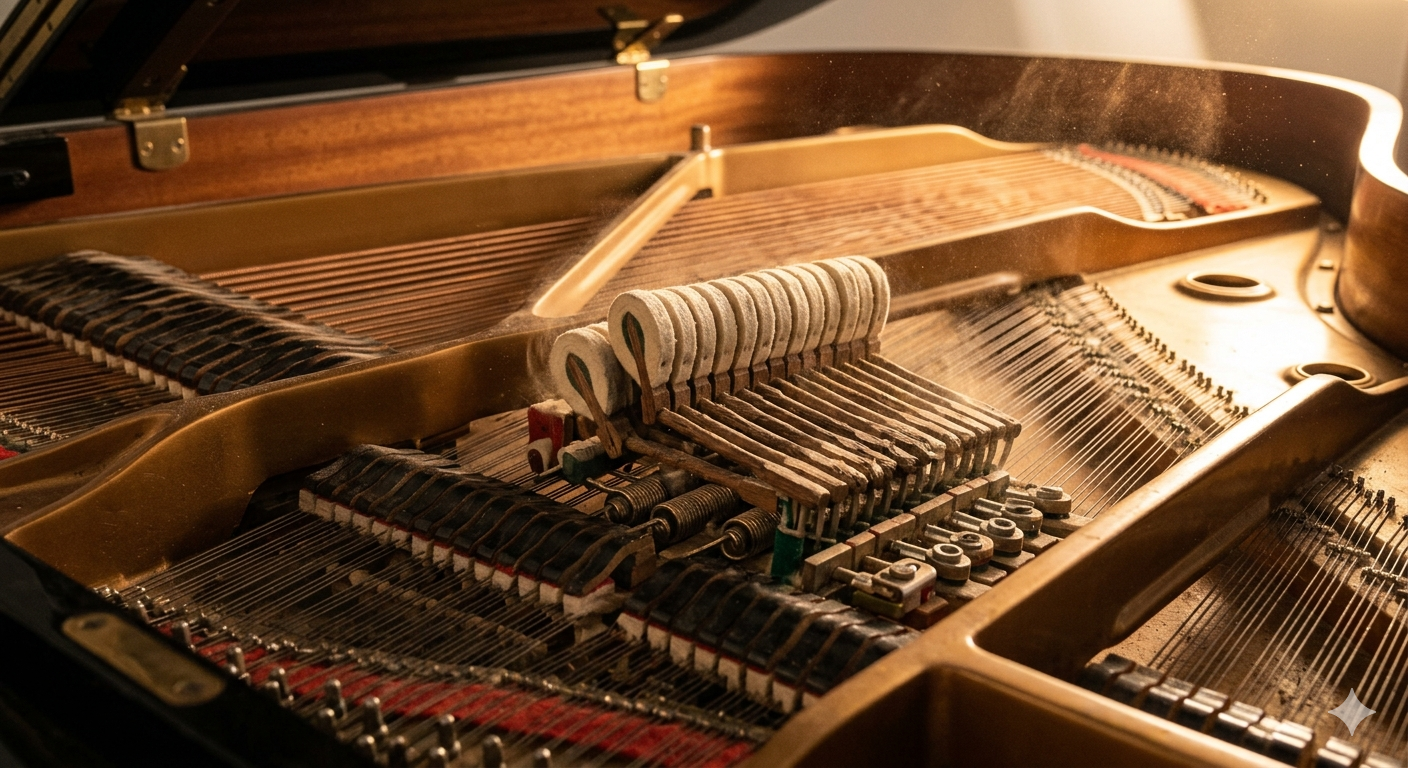
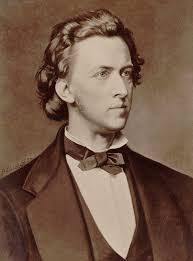
If the global history of classical music possesses an architect who took the piano and mutated it into a weapon of absolute dynamic definition, that name is Frédéric Chopin. The Polish master based in Paris frequently suffers from the reductive cliché of being a composer of fragile salon sighs. In reality, Chopin operated at an unforgiving technical voltage. He was one of the most radical acoustic engineers of the 19th century, stripping the piano of empty ornament to embrace a lean, agile musculature where the raw tactile edge of the attacks and the sheer density of the harmonic modulations unite to deliver a profound, permanent impact. Chopin did not decorate space: he tensioned the metal strings to the absolute physical limit of the instrument.
To listen to Chopin today with a high-fidelity pair of headphones is a revelatory experience. It means understanding that his writing demands physical presence—a surgical dynamic response capable of capturing the raspy growl of the low frequencies and the electricity of a left hand operating as a relentless rhythmic engine.
The Engineering of Rubato and the Geometry of the Keys
Chopin’s definitive signature in composition architecture was the reinvention of time through rubato—the surgical technique of stretching and compressing the musical pulse without losing structural traction. While the right hand floats with a cinematic, almost vocal freedom, the left hand maintains a rigorous geometry, dictating the psychological suspense and the overall density of sound with mechanical precision.
This mathematical precision is precisely what prevents his work from dissolving into vague sentimentalism. Chopin drives the music forward through feverish chromaticism and embedded dissonances that scratch at traditional tonal stability. There is zero fat or structural waste in his grand designs; there is a three-dimensional vividness where every single note executes a surgical function.
The Crown Jewels: The Tectonic Punch of the Funeral March and the Attack of the Revolutionary Etude
If you want to experience the authentic voltage and physical force of this pianistic engineering without an instruction manual, your mandatory turning points reside within the crushing weight of the Third Movement of the Sonata No. 2 in B-flat Minor, Op. 35 and the indomitable brio of the Etude Op. 10, No. 12 (“Revolutionary”).
The jaw-dropping moment in the Sonata No. 2 hits during the celebrated Funeral March. Far from a soft lament, the movement cuts open with a dry, heavy chord in the lower register, beating like an iron heart through the studio space. The acoustic articulation here must be surgical: with reference headphones, you can feel the rustic resonance of the piano’s wood casing and the massive displacement of air in the low frequencies fracturing the silence. It is a dark, claustrophobic sonic mass driving forward with the sheer arrogance of a military march, delivering a definitive impact straight to the chest.
Conversely, the polar opposite of high-speed tactile execution strikes during the Revolutionary Etude. The work erupts with a shouting, dissonant chord at the top of the keyboard, followed immediately by an avalanche of notes in the left hand rushing down the sonic spectrum at blistering speed. The sheer aggressiveness of the attacks demands absolute brio from the performer: this is matter in a state of trance, where the left hand operates as a mechanical turbine while the right hand fires the main theme with a slashing sharpness, proving that Chopin’s piano can bite with monumental force.
The Invitation
Frédéric Chopin demonstrated to the world that monumentality does not depend on the size of the orchestra, but rather on the depth with which every single frequency of the instrument is weaponized. He transformed pianistic density into the absolute backbone of Romanticism.
So, here is our invitation for your ritual tonight: isolate yourself entirely from the noisy static and frantic rush of everyday life, slip on your finest pair of headphones, and press play on these gears of ebony and steel. Seek out interpretations that fundamentally master the tactile equilibrium and structural weight of this score—such as the fiery, surgical precision of Maurizio Pollini, the monumental electricity delivered by Martha Argerich, or the raw, visceral virtuosity of Krystian Zimerman. Close your eyes, absorb the impact of these infinite modulations, and let Chopin’s indomitable engineering entirely organize the chaos of your day.