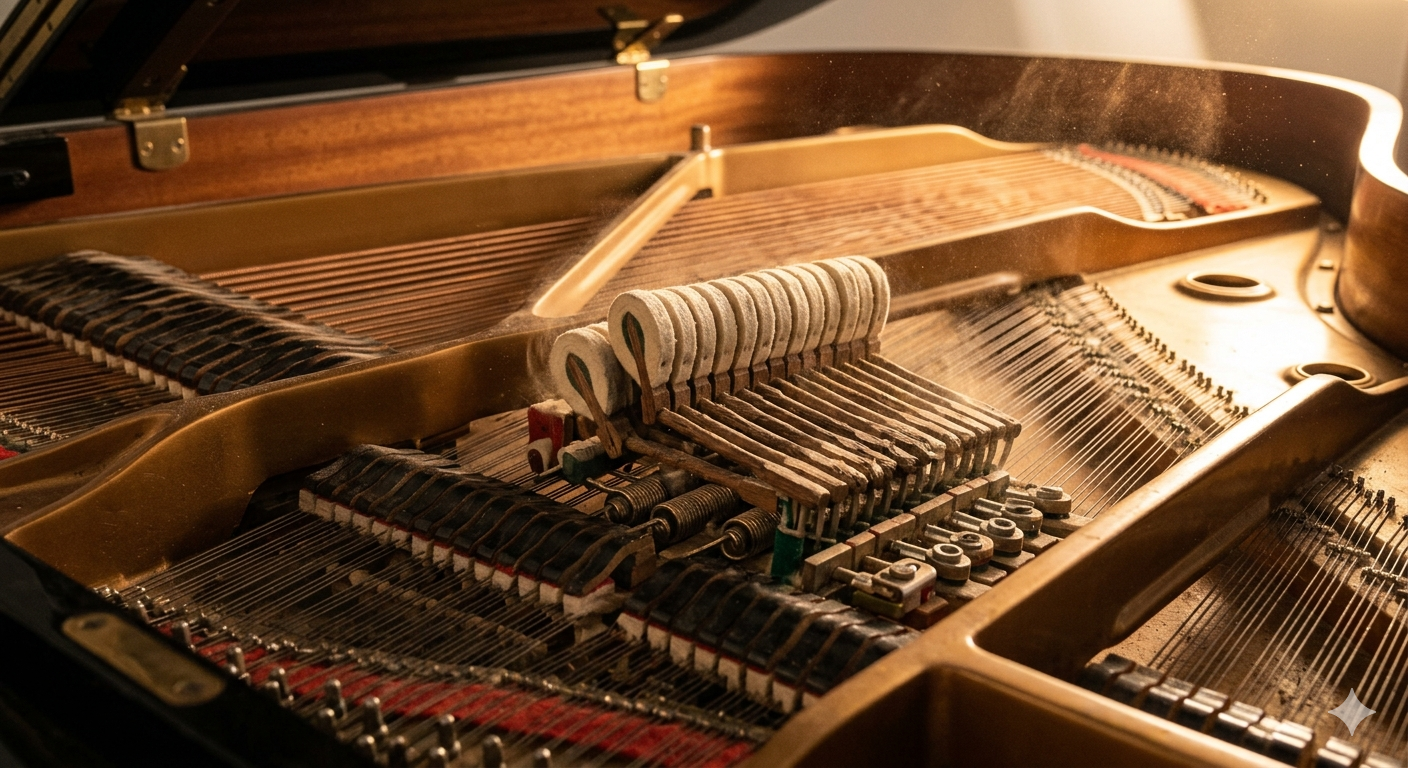
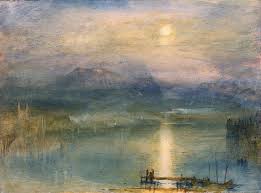
If you look into the dictionary of classical music for a work that achieved absolute pop myth status, you will land squarely on the Piano Sonata No. 14 in C-sharp minor, Op. 27, No. 2, by the titan Ludwig van Beethoven. You might not instantly connect the formal title to the score, but the moment the very first bar echoes, your brain immediately recognizes that mysterious, nocturnal, and deeply melancholic atmosphere. Baptized years later by a critic as the “Moonlight” Sonata (because the sound evoked the reflection of the moon on the waters of Lake Lucerne), this piece is a definitive watershed moment: it took the rigid architecture of the classical sonata and imploded it in the name of raw, unadulterated sentiment.
To experience the Moonlight Sonata today is an intensely physical and psychological event. It is a tátil journey in three distinct acts, beginning as a quiet, whispered meditative trance and concluding with a high-voltage sonic storm, proving that Beethoven was never playing games.
The Forgotten Subtitle and Romanticism Ahead of Its Time
Beethoven penned this masterpiece between 1801 and 1802, a chaotic period when his hearing was beginning to show its first dramatic signs of decay, and his heart was fracturing over an impossible love—the young Countess Giulietta Guicciardi, to whom the work is dedicated. Knowing he was shattering the academic guidelines of his era, he etched a brilliant subtitle onto the title page: “Sonata quasi una Fantasia” (Sonata almost a Fantasy).
What did this mean in practice? It meant he was flatly refusing to follow the standard instruction manual of Classicism. Instead of launching the piece with a bright, fast, cheerful movement as everyone else did, he chose to open by plunging the listener into a hypnotic twilight, swinging the doors wide open for the Romantic movement decades before it officially swept through Europe.
The Crown Jewel: From Night Trance to Nineteenth-Century Heavy Metal
If you want to understand the immense dramatic impact this work inflicts upon your nervous system, you have to abandon the notion that it is merely a calm, soothing piece for relaxation. Beethoven’s true technical knockout lies within the psychological blueprint of the piece.
The first movement (Adagio sostenuto) is that immortal melody the entire world knows by heart. The piano traces a series of obsessive, triplet arpeggios that repeat like a mantra, while a heavy, solemn bassline stalks underneath. The primary melody floats above this sea of lamentation like a lonely whisper in the dead of night. It is an intensely tátil piece of music—a sonic fog that wraps around you and pulls you directly into the composer’s deepest solitudes. It is jaw-dropping for its sheer economy of notes and the immense power of its atmosphere.
After a brief second movement that functions as a fleeting, lyrical breath of fresh air, the ultimate thermal shock arrives. The third movement (Presto agitato) is the absolute equivalent of heavy metal in the early 1800s. Without warning, the stillness is ripped apart by a torrent of notes firing at a dizzying velocity. The pianist’s hands race up the keyboard like rising flames, unleashing sharp, brutal chords packed with a solar, furious energy. This is no longer the moonlight; it is the Beethovenian volcano in full eruption. This is virtuosity placed entirely at the service of a spiritual revolt, leaving the audience completely breathless.
The Invitation
The Moonlight Sonata is definitive proof that Beethoven could translate the sprawling complexity of the human soul like no other. He guides us from the deepest, quietest isolation to the wildest, most untamed liberation in under twenty minutes.
So, here is our invitation for your ritual tonight: wait for the house to go dead silent, kill the surrounding lights, and slip on your finest pair of headphones. Seek out interpretations that capture both the electricity and the stark contrast of this work, such as the brilliant structural balance of Daniel Barenboim, the razor-sharp precision of Emil Gilels, or the cutting, poetic edge of Vladimir Horowitz. Close your eyes, open your heart, and feel the exact impact of the moment melancholy turns into a thunderstorm. Let the sound govern your night.