On one side, we have a word that seems to float mid-air: Lyricism. It carries no expiration date, no badge, and no passport. Lyricism is an eternal aesthetic category—that almost physical human need to pour out one’s subjectivity, to sing of one’s grief, to translate one’s love, and to expose the innermost layers of the soul. On the other side, we have a whirlwind with a fixed address in history: Romanticism. This was a cultural, aesthetic, and philosophical movement with a specific time and birthplace, one that shook nineteenth-century Europe to its core and decided that reason ruled absolutely nothing—emotion was king. Romanticism took lyricism by the hand and turned it into its most powerful tool, its ultimate fuel.
It might sound like a university thesis, but it is actually the purest, most perfect chemistry in the history of art. And if you want to know exactly where these two planets collided to forge an entirely new universe, the answer is singular: within the illuminated and aching mind of the Austrian composer Franz Schubert.
The Boy from Vienna and the Bridge Across Time
Picture Vienna at the dawn of the nineteenth century. On one hand, you have the titanic, towering shadow of Beethoven and the aristocratic rigor of Classicism—everything in its proper place, balanced and flawless, like a marble palace. On the other hand, a new generation of young rebels wanted to smash the stained-glass windows just to let the wind rush inside. Schubert was the man who engineered the definitive bridge between these two worlds.
He possessed the structural discipline and classical elegance running straight through his veins, yet his heart was already beating to the accelerated rhythm of the new century. Schubert took the stone architecture of the past and injected it with a voltage of raw emotion that nobody previously thought possible. He didn’t need deafening noise to make his point; he revolutionized music through whispers, through the finest details, and through melodies that latch onto your soul and refuse to let go.
The Crown Jewel: The Marriage of the Infinite and the Everyday
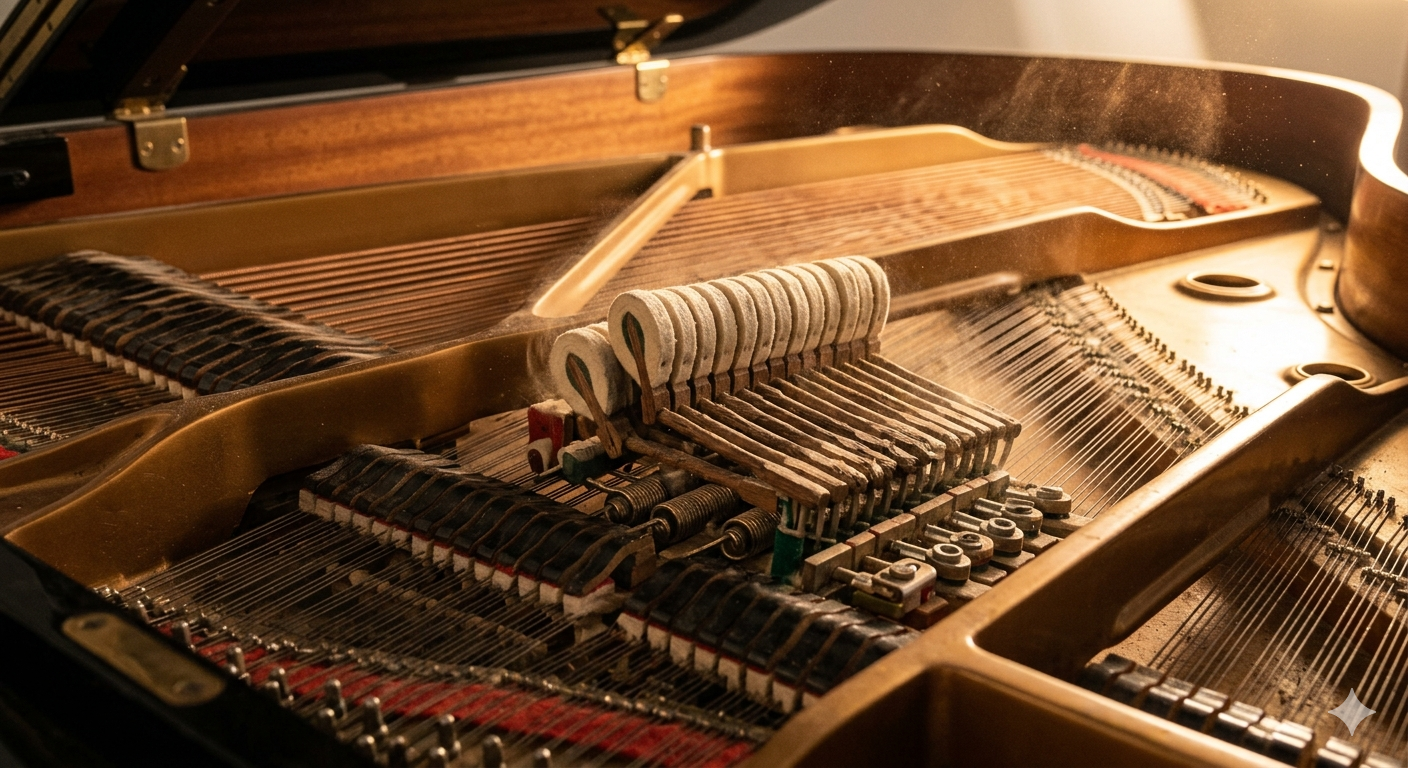
If you want to understand how this fusion operates in practice, without needing a manual of instructions or a dictionary of technical terms, you only need to look at what Schubert accomplished with shorter forms—especially his Lieder (chamber art songs) or his deeply intimate pages for solo piano, like the Impromptus.
The jaw-dropping element lies in the sheer, unforced naturalness of the sound. Schubert captures the heaviest, most melancholic poetry and transforms it into music so tátil that you can practically feel the warmth of the hands on the keyboard and the shiver running down your spine. This isn’t a stadium-sized melodrama; it is a late-night conversation whispered between two close friends in the shadows of a Viennese parlor. By marrying structural precision with an absolute overflow of sentiment, he proved that lyricism wasn’t a mere decorative accessory: it was music’s entire reason for being. He blew the doors wide open for Chopin, Schumann, and Liszt to do whatever they pleased next.
The Invitation
Schubert’s life was tragically brief—he passed away at just 31 years old—but he left behind a trail of pure light that continues to guide our emotions to this day. He taught us that vulnerability is the ultimate strength an artist can possess.
So, here is our invitation for your ritual tonight: wait for the street noise to quiet down, dim the lights, and press play on Schubert’s masterworks. It could be the piercing, definitive baritone of Dietrich Fischer-Dieskau navigating Winterreise, or the solar, crystal-clear piano of Radu Lupu breathing life into the Impromptus. Close your eyes, open your heart, and feel the exact impact of the moment lyricism became history. Let the music color your night.