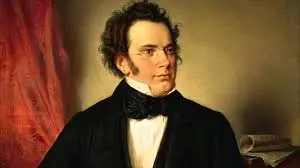
If Ludwig van Beethoven was the roaring thunderstorm that shook the foundations of the 19th century, Franz Schubert was the guy sitting in the corner of a dimly lit Viennese tavern, writing melodies on napkins that would break your heart into a million pieces. He didn’t care about grand palaces or writing music to flatter wealthy emperors. Schubert belonged to the streets, the cafes, and the crowded apartments of Vienna’s artistic underground.
Schubert is, without a doubt, the true father of the modern indie song. Long before the music industry invented the concept of the singer-songwriter, Schubert took the Lied—the traditional German poem set to music—and turned it into a high-art pop song. He possessed a supernatural gancho for writing melodies that feel instantly familiar, deeply personal, and wrapped in a beautiful, bittersweet melancholy that hits your nervous system before you even have time to think about it.
The Schubertiads: Vienna’s Most Exclusive House Parties
Picture Vienna in the 1820s. While the mainstream musical elite was obsessed with massive, conservative opera productions, Schubert and his tight-knit circle of bohemian friends—poets, painters, and actors—were throwing legendary underground house parties. These gatherings became so famous they got their own name: the Schubertiads.
People would cram into a living room, clear away the furniture, drink wine, and spend the night listening to Schubert debut his latest tunes at the piano. It was intimate, sophisticated, and completely devoid of stuffy concert-hall etiquette.
Living a fiercely bohemian lifestyle, often broke and relying on the generosity of his friends for a place to sleep, Schubert lived with a quiet, burning intensity. He passed away tragically young at just 31, but in his short life, he wrote a staggering, almost unbelievable amount of music—including over six hundred songs. He was a human melody machine, proving that you don’t need a massive orchestra to create a universe of emotion; sometimes, just a voice and a piano are enough to shatter the velvet night.
The Crown Jewel: A Midnight Ride with the Devil
If you want to experience Schubert’s genius for pure, jaw-dropping dramatic storytelling without needing an instruction manual, you must listen to his early masterpiece, Erlkönig (The Elf King).
Written when he was just 18 years old, the song is a psychological thriller packed into four minutes. It tells the story of a terrified father riding a horse through a stormy night, holding his feverish young son, while the supernatural Elf King whispers temptations to the boy from the shadows.
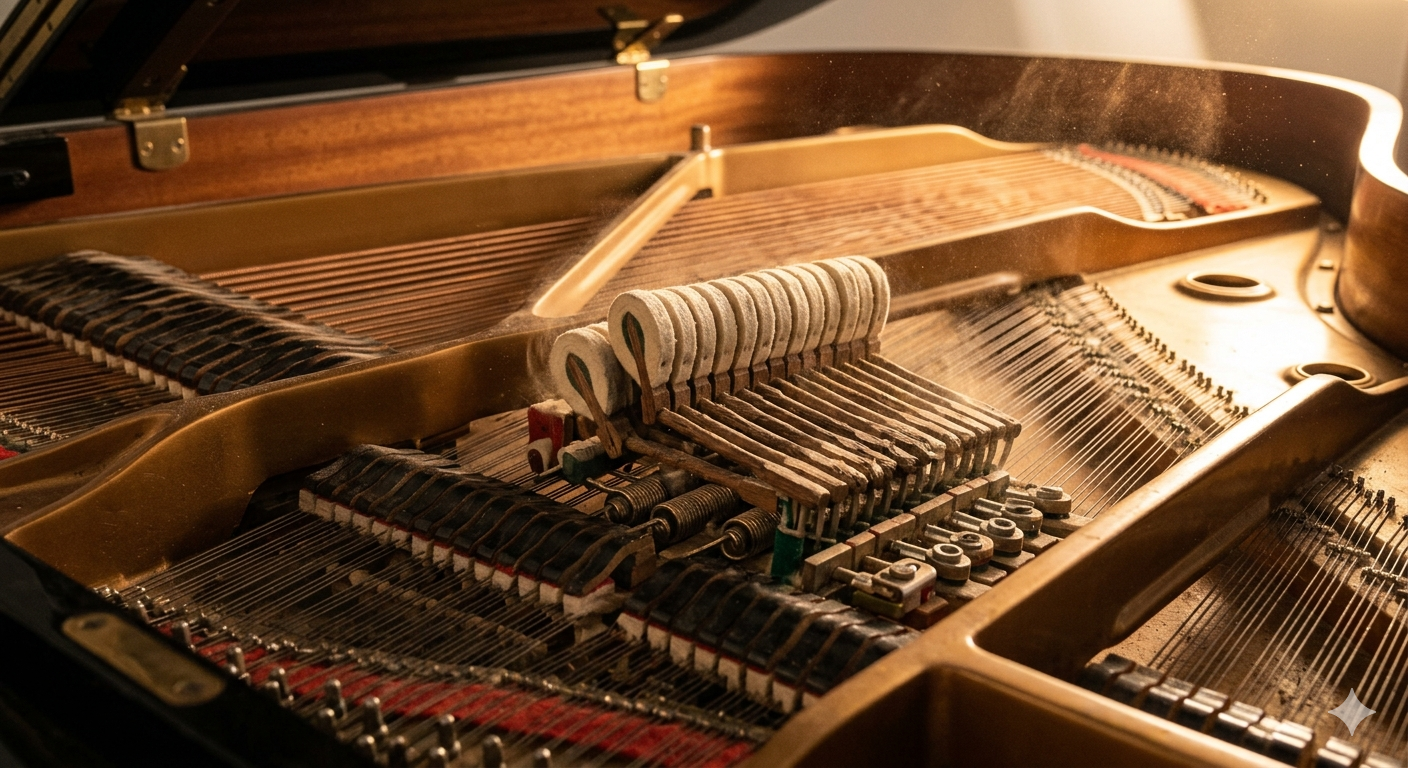
What makes it a work of absolute genius is how Schubert uses the piano. The pianist’s right hand has to play relentless, rapid triplets that mimic the frantic, pounding hooves of the horse running for its life. A single singer has to play four different characters—the narrator, the anxious father, the crying boy, and the creepy, seductive Elf King. It is intense, cinematic, and profoundly tátil. It doesn’t ask for permission; it grabs you by the throat from the very first note and pulls you right into the storm.
The Invitation
Schubert left us in 1828, requested to be buried right next to his idol Beethoven, but the cozy, late-night atmosphere he created with his music remains completely timeless. He proved that the most powerful music isn’t always the loudest, but the one that feels like a secret shared between friends in the dead of night.
So, here is our invitation for tonight: turn off your phone, dim the main lights, pour yourself a glass of whatever you like, and let Franz Schubert curate the mood. Put on his Nocturne for Piano Trio, his Serenade (Ständchen), or the sweeping movements of his Unfinished Symphony. Close your eyes, let the summer sun fade away, and discover the music that transformed Viennese living rooms into sanctuaries for the soul. Open your heart and just listen.